Top tips for cramped access removals on College Road Dulwich
Posted on 30/06/2026
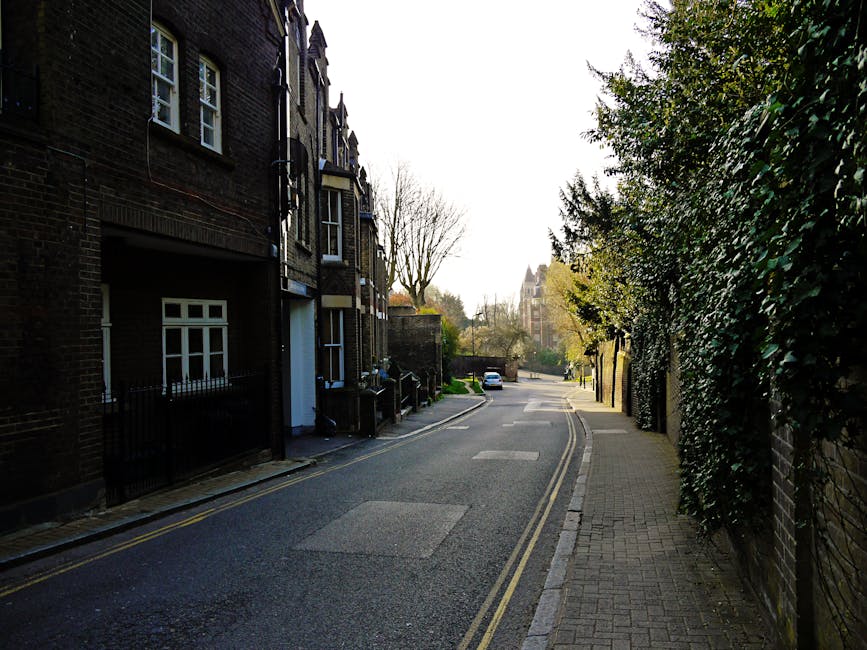
If you are planning a move on College Road in Dulwich, cramped access can turn an otherwise ordinary removal day into a bit of a logistical puzzle. Narrow hallways, tight staircases, limited parking, awkward front steps, and busy road conditions all add pressure at exactly the wrong moment. The good news? With the right preparation, cramped access removals on College Road Dulwich can still be smooth, safe, and far less stressful than people expect.
This guide walks through the practical side of the job: how tight-access moves work, what makes them trickier, what to do before moving day, and how to reduce the risk of damage, delays, and those slightly panicky five-minute conversations on the pavement. Truth be told, a good plan matters more than brute strength. And yes, sometimes a van that is a little smaller is the cleverer choice.
Why cramped access removals on College Road Dulwich matters
Cramped access changes the whole shape of a move. The distance between your front door and the vehicle may be short, but the difficulty is often higher. A sofa that glides through a spacious townhouse can suddenly become a wrestling match in a terrace with a sharp turn on the stairs. A wardrobe that looks perfectly manageable in a survey can stall at the hallway bend. You get the idea.
On a road like College Road in Dulwich, the practical challenges are often a mix of building layout and street layout. That means the removal team is not just moving furniture; they are solving a space problem. The move must be timed carefully, the vehicle must be positioned well, and the packing has to suit the route out of the property. If you ignore those details, small issues compound quickly.
Why does this matter so much? Because tight access affects everything:
- how long loading takes
- whether an item needs dismantling
- the size of vehicle that can be used
- how much lifting is required
- the risk of scuffs, scratches, and wall damage
- the chance of avoidable delays or extra labour
It also affects peace of mind. Moving day is already full of decisions, and cramped access creates more of them. If you know in advance what to expect, the whole day feels less like improvisation and more like a controlled plan. That alone is worth a lot.
For readers comparing moving support in the area, it can help to look through the wider removals Dulwich service page as well as the company's wider services overview to understand how different types of move are handled.
How cramped access removals on College Road Dulwich works
A successful tight-access move starts before the van arrives. In our experience, the real work begins with assessing the route: from room to hallway, from hallway to front door, from front door to pavement, and then from pavement to vehicle. Each stage can create a bottleneck. The job is to spot those bottlenecks early, not on the day when the clock is already ticking.
Most cramped access removals follow a similar pattern. First, the property is reviewed for access constraints. Then the contents are grouped by size and fragility. Items that are easy to carry are packed in a way that keeps the load balanced, while bulky pieces may be dismantled or protected with blankets and wrapping. If parking or street access is awkward, the crew may use a smaller vehicle or arrange a shuttle-style transfer from doorway to van.
The process also depends on what kind of property you are leaving. A flat with a narrow staircase is a different problem from a house with a tight front path, and both are different again from a ground-floor property with difficult parking. That is why a one-size-fits-all approach rarely works. A move that looks simple on paper can become a bit fiddly in reality. That is normal.
A careful mover will usually ask about:
- stairs, lifts, and corridor width
- door widths and turn points
- parking restrictions or permit needs
- large or awkward items such as wardrobes, beds, pianos, and sofas
- whether furniture can be dismantled
- access to basements, lofts, gardens, or rear entrances
If you are moving a specialist item, such as a piano, the approach becomes even more exact. A dedicated piano removals Dulwich page is useful reading because bulky or delicate items often require a different level of planning and handling.
Key benefits and practical advantages
Planning for cramped access is not just about avoiding problems. Done properly, it can make the whole move better. Faster, safer, more controlled. Less guesswork. And, frankly, less shouting up and down the stairs, which nobody needs on moving day.
1. Lower risk of damage
When access is tight, furniture is more likely to catch on corners or bump walls. Good preparation reduces that risk. Protective wrapping, dismantling where possible, and correct carrying angles all make a real difference.
2. Better time control
A move with tight access can take longer than expected. Planning the route, vehicle position, and load order can save a surprising amount of time, especially where multiple trips are needed.
3. Smarter vehicle choice
Sometimes a smaller vehicle is better than a large one. That sounds obvious, but people still overestimate what will be practical on the day. A well-matched vehicle can mean easier loading, safer manoeuvring, and less disruption outside the property.
4. Less physical strain
Tight access often means more twisting, bending, and carrying. If items are broken down into smaller parts, or if the route is planned to reduce awkward lifting, the move is easier on everyone involved.
5. Clearer communication
Once the team knows the problem areas, they can brief everyone properly. That means fewer surprises and more confidence. It sounds simple, but it helps a lot.
For people comparing options, the right method often depends on the property type. A flat move may need different handling from a full house move, and both can benefit from looking at flat removals Dulwich or house removals Dulwich depending on the situation.
Who this is for and when it makes sense
Cramped access removals on College Road Dulwich are relevant for more people than you might think. It is not only about old buildings or unusually large furniture. Plenty of modern homes still have tight stairwells, limited parking, or awkward internal layouts. If you have ever tried turning a mattress through a narrow landing and thought, "well, that was optimistic," you are already familiar with the problem.
This guidance is especially useful if you are:
- moving from a flat with narrow stairs or shared access
- leaving a terraced property with limited front space
- moving large furniture, white goods, or fragile items
- dealing with permit-sensitive street parking
- trying to move at a tight deadline
- sorting out a multi-item household move where several pieces are oversized
It also makes sense if you are comparing different levels of service. Some moves need a full team and careful dismantling; others can be handled more efficiently with a smaller, more flexible setup. If you are not sure which route fits, a local provider that handles man with a van Dulwich jobs as well as larger removals may be a practical place to start.
Students, first-time renters, and people moving between smaller properties often benefit from a more compact approach too. For lighter loads, the page on student removals Dulwich can give a sense of what a leaner move looks like in practice.
Step-by-step guidance
If you want cramped access removals to feel manageable, the best thing you can do is break them down into stages. That way, the job stops being a giant stress blob and becomes a sequence of small decisions. Much better.
Step 1: Measure the awkward bits
Measure doors, hallways, stair landings, and any corners where furniture must turn. Do not rely on memory alone. Hallway widths tend to feel different when you are carrying a sofa than when you are walking through with a mug of tea.
Step 2: Identify the largest items
List anything that may need dismantling or special handling. Beds, wardrobes, dining tables, mirrors, and appliances are typical troublemakers. If an item is particularly fragile or unusually heavy, flag it early.
Step 3: Decide what should be dismantled
Some furniture moves much better in pieces. Remove legs, shelves, and drawers where appropriate. Keep screws and fittings in labelled bags so you are not hunting for them at the other end. That last bit feels small, but it saves real time later.
Step 4: Improve the route out of the property
Clear hallways, remove loose rugs, secure doors, and make sure the exit path is as open as possible. If there is a rear or side entrance that works better, mention it. Sometimes the obvious entrance is not the best one. A small detour can make the whole move cleaner.
Step 5: Plan parking and loading space
On a busy residential road, vehicle position matters. The closer the vehicle can safely get to the property, the quicker the load. If you need help with timing or vehicle choice, the man and van Dulwich option is often worth considering for smaller or more access-sensitive moves.
Step 6: Pack for the route, not just the room
Use smaller boxes for heavier items and avoid overfilling them. Large, overloaded boxes are awkward on stairs and more likely to split. Soft items can be packed to fill gaps and protect corners. A box should carry well, not merely hold stuff.
Step 7: Protect walls, doors, and flooring
Blankets, wraps, and corner protection reduce the chance of marks and knocks. This matters even more in tight hallways where the margin for error is small.
Step 8: Build in buffer time
Do not schedule every part of the day to the minute. Cramped access can slow things down, especially if a large item needs a second attempt or a quick adjustment. A little breathing room makes the day feel calmer.
Expert tips for better results
Here are the details that often separate a decent move from a frustrating one. They are not glamorous, but they work.
- Send photos before moving day. Pictures of staircases, doorways, and parking spots are often more useful than a long description.
- Group items by difficulty. Put the awkward furniture in a separate list so nothing gets forgotten in the rush.
- Keep a tool kit close. Screwdrivers, Allen keys, tape, and a basic box cutter should be easy to reach.
- Label fragile items clearly. That sounds basic, but people forget when the boxes start stacking up.
- Use smaller boxes for books and kitchenware. Heavy boxes become a real issue on stairs.
- Reserve the easiest route for the largest items. Do not block the hallway with boxes while trying to get the sofa out. You will only create extra chaos.
- Ask for a realistic loading plan. If there is likely to be a shuttle transfer or more than one trip, it is better to know early.
A slightly humorous but true point: if you have to say, "it should fit if we just angle it a bit," five times in a row, the furniture is probably trying to tell you something. Listen to the furniture.
If you are weighing service choices, it can also help to compare providers carefully. A trustworthy removal companies Dulwich page should give you a sense of what to expect from a professional operation, while removal van Dulwich support can suit more compact jobs where access is a central concern.
Common mistakes to avoid
Most access problems are predictable, which is both annoying and helpful. Annoying because they were avoidable. Helpful because you can usually prevent them.
Underestimating the property layout
People often measure the front door and stop there. The problem is usually the route after the front door, especially turning points on stairs or landings.
Choosing the wrong vehicle size
Bigger is not always better. A van that is too large can be awkward to park or load near the property. That can slow the whole day down.
Not checking dismantling needs
If a wardrobe or bed frame needs to come apart, find out before the crew arrives. Otherwise you lose momentum early.
Packing heavy items in oversized boxes
This is a classic mistake. The box may survive the room, but not the staircase.
Leaving parking to chance
Cramped access moves depend heavily on where the vehicle ends up. If parking is not planned, you can burn time on the pavement while everyone waits. Not ideal.
Forgetting about insurance and safety
You do not want to find out after a bump or scrape that nobody was clear on how it would be handled. It is better to ask about protection and liability in advance.
If safety and protection are front of mind, the site pages on insurance and safety and health and safety policy are worth reviewing before you book.
Tools, resources and recommendations
You do not need a warehouse full of gear to manage a tight-access move, but a few practical tools make life easier. Some are obvious. Some are small enough to disappear into the abyss of a drawer, which is exactly why you want them ready beforehand.
| Tool or resource | Why it helps | Best used for |
|---|---|---|
| Measuring tape | Checks door widths, stair turns, and furniture fit | Planning large items |
| Furniture blankets | Reduces scratches and wall damage | Protecting large or sharp-edged items |
| Bubble wrap or wrap rolls | Adds cushioning for fragile pieces | Glass, mirrors, lamps, and fittings |
| Labels and marker pens | Keeps dismantled parts organised | Hardware bags, box IDs, room labels |
| Allen keys and screwdrivers | Helps with dismantling and reassembly | Beds, tables, shelving, wardrobes |
| Floor protection | Reduces scuffs in narrow paths | Hallways, stairs, thresholds |
For packing help, the packing and boxes Dulwich page is a handy reference if you want to think about materials and box sizes before moving day. If you need temporary overflow space, storage Dulwich can be a sensible fallback when timing or access gets a bit messy.
One more practical point: if you are reviewing a provider's broader support, pages like furniture removals Dulwich and removal services Dulwich can help you judge whether they are equipped for awkward layouts as well as straightforward moves.
Law, compliance, standards and best practice
For cramped access moves, the biggest compliance issue is usually safety rather than paperwork. That does not sound exciting, but it matters. A professional mover should work with sensible manual handling practices, keep routes clear where possible, and avoid pushing people or furniture into unsafe positions. In the UK, moving work is generally expected to follow standard workplace safety principles and good manual handling practice. No need to overcomplicate it, just do the basics properly.
Best practice usually includes:
- assessing access before loading begins
- using enough people for heavy or awkward items
- protecting walls, floors, and corners where practical
- communicating clearly if an item is unsafe to move as planned
- stopping and adjusting rather than forcing a carry through a tight gap
If parking or road use becomes part of the plan, local conditions should be checked in advance. That may mean looking at the practical realities of the street, rather than making assumptions. College Road Dulwich is the sort of place where a good plan can save a lot of time and a bit of nervous energy.
Trust also matters. Before booking, people often like to understand who they are dealing with, how disputes are handled, and what terms apply. The pages on about us, terms and conditions, and complaints procedure can help set expectations in plain English. For online payments and privacy, the policy pages on payment and security and privacy policy are also sensible reads.
Options, methods, or comparison table
There is no single best way to manage cramped access. The right method depends on the size of the move, how tight the access is, and whether any furniture can be dismantled. This simple comparison should help.
| Method | Best for | Strengths | Watch-outs |
|---|---|---|---|
| Full van removal | Larger household moves with manageable access | Efficient for multiple items, fewer trips | Can be awkward if parking is tight |
| Man and van | Smaller moves, partial loads, access-sensitive jobs | Flexible, usually easier to position | May need more trips for larger homes |
| Full dismantle-and-reassemble plan | Bulky furniture or narrow stairways | Reduces fitting problems | Takes time and needs good labelling |
| Shuttle loading | Very tight access or restricted parking | Solves vehicle-to-door distance issues | Slower and more labour-heavy |
| Temporary storage | Moves split over different dates | Reduces pressure on moving day | Extra cost and coordination needed |
If you are still deciding between approaches, a wider look at man with a van Dulwich and same day removals Dulwich can help you see how speed, flexibility, and access constraints interact in real life.
Case study or real-world example
Here is a realistic example from the kind of move people often face on College Road Dulwich. A couple were moving from a first-floor flat with a narrow staircase and a front entrance that opened straight into a tight hallway. The biggest headache was not the box count; it was a double bed frame, a tall wardrobe, and a sofa with rigid arms. None of them were impossible, but all three were awkward enough to create delays if handled casually.
They measured the stair turns the week before, sent photos of the hallway and entrance, and agreed to dismantle the wardrobe in advance. The sofa cushions were removed and packed separately. Small boxes were used for books and kitchenware, which made the stair carries much easier. The van was positioned as close as safely possible, and the loading order was planned so the largest items went out first while the route was clear.
The result? No rushed decisions, no furniture jammed in a doorway, and no last-minute panic about whether the bed would fit after all. A little patience saved a lot of trouble. It was not a dramatic story. Which is exactly the point. The best moves often feel uneventful because they were planned well.
Practical checklist
Use this checklist a day or two before the move. It keeps the essentials in one place and stops small details being forgotten.
- Measure doors, stairs, and any tight corners
- Photograph the access route from property to street
- List all bulky or fragile items
- Dismantle furniture where sensible
- Label screws, fittings, and shelf parts
- Use small boxes for heavy items
- Clear hallways, landings, and entry points
- Protect floors, walls, and corners
- Confirm parking arrangements or likely vehicle position
- Check whether storage is needed for any items
- Keep tools, tape, and phone chargers close
- Leave a bit of time buffer for the unexpected
And if you want a little extra reassurance, ask the mover how they usually handle awkward access, especially on residential streets with limited space. A straightforward answer is often a good sign.
Conclusion
Cramped access removals on College Road Dulwich do not have to be stressful. Once you understand the route, the furniture, the parking, and the timing, the move becomes much more manageable. The key is to plan for the awkward parts early rather than hoping they sort themselves out on the day. They rarely do.
For many people, the smartest move is a simple one: measure carefully, pack sensibly, choose the right vehicle size, and work with a team that understands tight access. That combination reduces risk, saves time, and makes the whole experience feel calmer. Not perfect, just calmer - and that's usually enough.
If you are comparing options for a move with narrow access, awkward stairs, or bulky items, take a look at the wider removals Dulwich information and choose the approach that fits your property, your furniture, and your timeline.
Get a free quote today and see how much you can save.
When you plan a difficult move well, you give yourself something valuable: a quieter day, a safer carry, and a proper chance to breathe once the last box is down.


